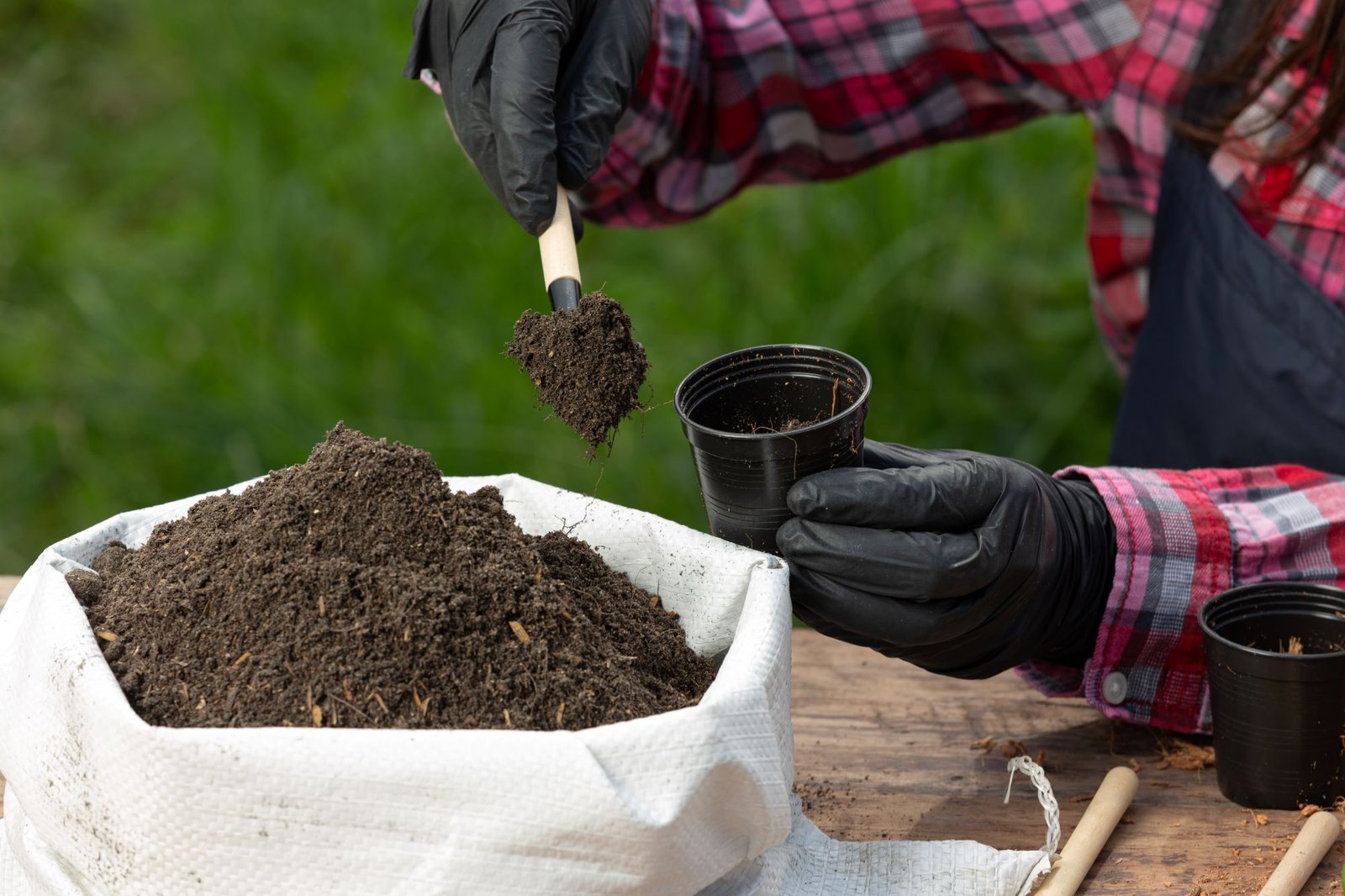
Organic farming is more than just a method — it’s a commitment to healthier soil, cleaner ecosystems, and sustainable food production. As we move into 2026, the demand for organic produce continues to grow, and so do the techniques that make it possible.
Whether you are a seasoned farmer transitioning to organic methods or just starting your journey, understanding the fundamentals can make a significant difference in your yield, soil quality, and long-term farm viability.
1. Start with Healthy Soil
The foundation of any successful organic farm is its soil. Healthy soil is teeming with beneficial microorganisms that help plants access nutrients, resist disease, and tolerate environmental stress. Begin by testing your soil before planning your crop rotation.
Key soil factors to assess:
- Soil pH and organic matter content
- Microbial activity and nutrient levels
- Drainage and soil structure
2. Choose the Right Crops for Your Region
Not every crop thrives in every climate. Selecting varieties that are well-adapted to your local conditions reduces the need for intervention and increases your chances of a successful harvest.
Consider these factors:
- Local temperature and rainfall patterns
- Resistant and heirloom seed varieties
- Market demand in your region
3. Implement Smart Crop Rotation
Crop rotation breaks pest and disease cycles, improves soil structure, and balances nutrient demands across seasons. A well-planned rotation schedule can reduce your reliance on external inputs while maintaining consistent productivity.
4. Use Bio Fertilizers and Natural Inputs
Bio fertilizers harness living microorganisms to make nutrients more available to plants. Products like Zayd Bio-Grow NPK help mobilize nitrogen, phosphorus, and potassium directly in the root zone.
Benefits of bio fertilizers include:
- Improved nutrient availability in the root zone
- Enhanced soil microbial diversity
- Reduced dependency on chemical fertilizers
- Better long-term soil fertility
5. Monitor and Adapt Continuously
Successful organic farming requires observation and flexibility. Regular field walks, pest scouting, and soil monitoring allow you to respond to problems early and adjust your management practices accordingly.
- Conduct weekly field inspections
- Keep detailed records of crop performance
- Adjust irrigation and input schedules seasonally
Final Thoughts
Organic farming in 2026 is supported by better science, better tools, and a growing market that values sustainability. By focusing on soil health, smart crop choices, and natural inputs, you can build a farm that is both productive and resilient for years to come.